

For 36 years, Anna Wintour has wielded her Chanel-clad iron fist over American fashion’s most coveted glossy. She shaped what we wore (or aspired to wear), who we saw on covers (celebrities, mostly), and which designers earned those sacred centerfolds (European luxury houses, consistently). But behind the bob and the ever-present shades was also a long legacy of exclusivity. Editorially. Racially. Culturally.
Now that the Queen has officially left the Condé castle, maybe we can finally ask what we’ve all been whispering for years:
What does American Vogue even say about American fashion anymore?
From Covers to Culture Wars
Let’s start with the covers. Once upon a time, they were aspirational, yes, but also artistic and rooted in fashion. Somewhere along the way, the shift happened. Celebrities replaced supermodels. Red carpet buzz took priority over true editorial storytelling. The March issue began to feel more like a promotional campaign than a fashion bible.
And then there’s the question of inclusion.
Yes, there were moments. Beverly Johnson. Naomi Campbell. Beyoncé. Rihanna. But they were occasional acknowledgements, not a true reflection of diversity. For years, Vogue covers mirrored a single aesthetic: thin, white, and Eurocentric. Black and Brown models appeared far too infrequently. Plus-size, Indigenous, Asian, and trans representation was even scarcer.
It wasn’t a matter of talent not existing. It was a matter of perspective. Vogue didn’t lack options. It lacked the will to look beyond its narrow standard.
The September Issue Was a Crown — But Who Got to Wear It?
In fashion, the September issue is sacred. It’s the Super Bowl, the Oscars, the editorial Everest. Under Wintour, it became a moment—curated to represent the year’s biggest cultural forces. But over time, that crown started to feel like it belonged to only a few.
Where were the disruptors? Where were the subcultures that actually shaped fashion on the streets?
This year, creator Nyla lit up FashionTok and beyond with a question that hit a nerve: why is high fashion still so allergic to acknowledging influence outside of New York, Paris, Milan, and London? Why is West Coast fashion treated like a commercial afterthought?
It’s true—New York did birth streetwear. From SoHo to the Bronx, that foundational DNA of hip-hop, sneaker culture, and logo obsession made its mark globally. But the West Coast brought its own language to the movement.
California’s streetwear isn’t just a look—it’s a lived experience. From LA to the Bay, there’s a style vocabulary that blends function with flex: Dickies and denim, Pro Club tees, corduroy, Cortezes, Chuck Taylors, gold fronts, airbrushed nails, bamboo earrings, and bomber jackets. It’s gangsta meets high fashion, attitude as silhouette, and heritage as layering.
These looks told stories long before editorial spreads decided they were “inspired.” But when’s the last time you saw this West Coast subculture honored in the pages of Vogue—without being filtered through a celebrity’s stylized version?
The cultural weight is there. The legacy is real. But the recognition? Still waiting.
Don’t Forget the Fly-Over and the Dirty South
For a publication claiming to reflect American fashion, Vogue has consistently overlooked the regions that actually create the style vernacular that fuels both the runway and the resale market.
The Midwest isn’t just cornfields and coats. It’s where layering becomes language. Chicago’s cold-bred fashion taught a generation how to mix Moncler with Margiela. Detroit dressed for church, block parties, and soul. Even thrifting hits different when you’re flipping Carhartt from the source.
And the South? The South is fashion with feeling. From Houston’s custom grills to Atlanta’s iced-out everything, to Miami’s hyper-colorful luxury swagger—Southern style has always been about expression, pride, and presence. Down South, dressing up is tradition, not trend.
Yet these regions barely get a blurb, let alone a fashion feature.
American fashion has never been confined to coasts. It lives in swap meets, strip malls, family reunions, trap studios, skating rinks, and sneaker boutiques. The next Vogue needs to catch up—because these places have been setting the style tone for decades, with or without its approval.
European Pages. American Footnotes.
For a magazine with “American” in its name, Vogue gave a curious amount of attention to the fashion capitals of Europe. Brands like Gucci, Louis Vuitton, and Prada enjoyed sprawling editorials. Meanwhile, American talent often got sidebar treatment. Christopher John Rogers, Telfar, LaQuan Smith, even The Row—brilliant brands, minimal visibility.
The magazine has long claimed the role of tastemaker. But much of its taste was curated overseas.
If this is American Vogue, then where is the pulse of American fashion? Why has the spotlight rarely turned inward to showcase what’s homegrown?
Beyond the Bob: What Could Vogue Become?

Wintour’s departure leaves a vacuum—and a chance for reinvention.
What if Vogue stopped chasing red carpet relevance and started showcasing the people who actually build the fashion narrative? Imagine covers featuring not just celebrities, but industry pioneers. Models. Stylists. Editors. Makeup artists. Cultural curators.
What if the pages prioritized creativity over clickbait?
What if the magazine remembered that fashion is the main character—not a prop for Hollywood promotion?
And maybe, just maybe, Vogue could return to feeling truly American. Not in a patriotic sense, but in an expansive, diverse, unapologetically fresh way.
Cover Check: The Faces That Shaped, and Missed, the Moment
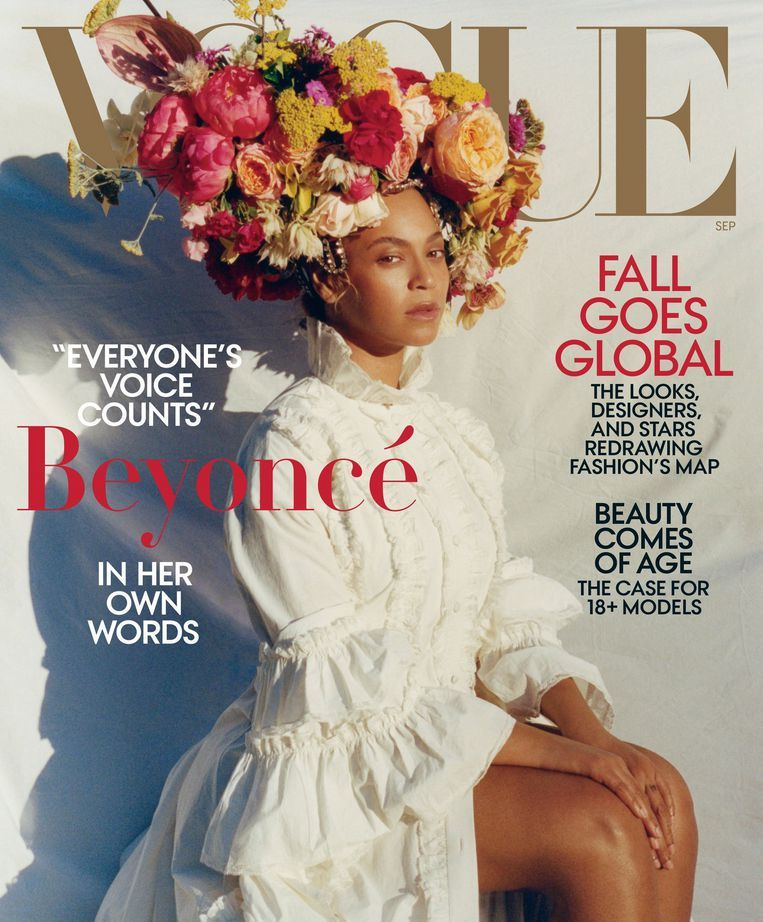


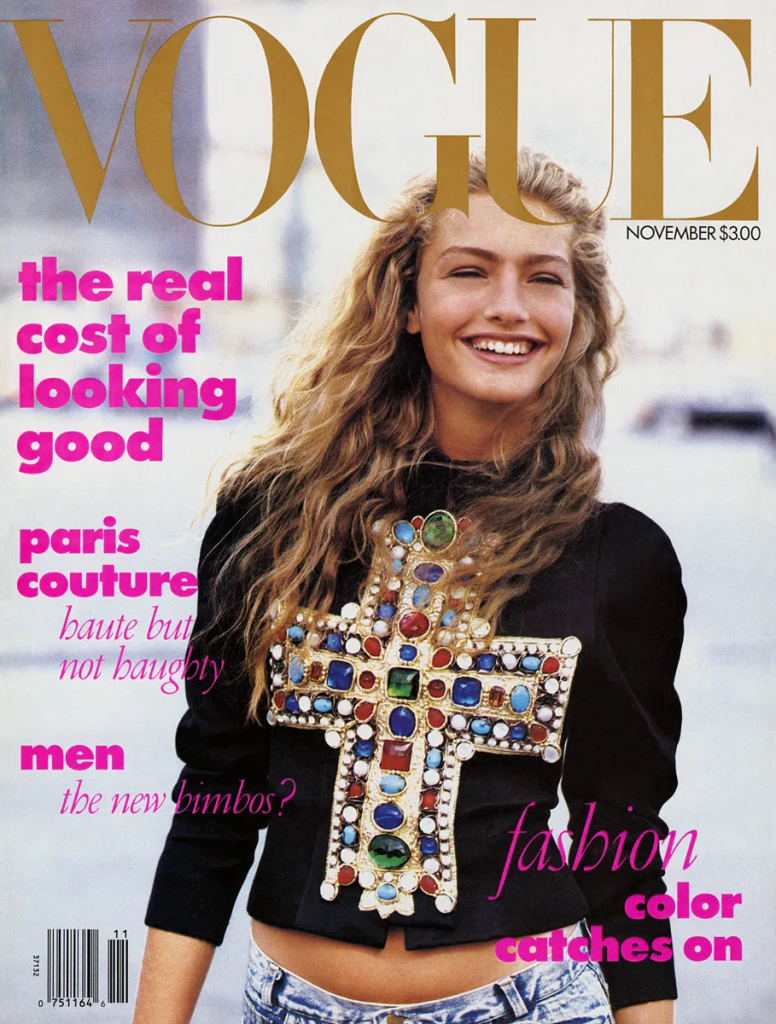
Here are a few iconic (and telling) Vogue covers that illustrate the push-and-pull between creativity, celebrity, and cultural oversight:
📸 Beyoncé’s 2018 September Issue
A landmark moment in representation, yet it still followed the celebrity-first formula.
📸 The 2023 Supermodel Reunion
Naomi, Cindy, Linda, Christy—undeniably iconic, but a nostalgia loop that skipped the new era of models, stylists, and designers driving fashion forward today.
📸 The 2020 Artist-Painted Covers
Visually stunning, created by Kerry James Marshall and Jordan Casteel, but once again focused on abstraction over subculture.
📸 Anna Wintour’s First Cover, 1988
Michaela Bercu in a bejeweled Lacroix top and jeans—raw, unfiltered, and real. Ironically, that authenticity has rarely returned since.
Each of these covers shows us who got the spotlight—and who still hasn’t.
Legacy Check, Please
To be fair, Anna Wintour’s contributions to fashion media are unmatched. She shaped an era, pushed boundaries, and created moments that will be referenced for decades. Her legacy deserves recognition.
But like fashion itself, legacies are meant to evolve. The next Vogue must be bold enough to challenge tradition, wide-eyed enough to explore new voices, and intentional enough to spotlight fashion over fame.
The pages of Vogue used to tell a story. It’s time to start a new chapter.
And hopefully this time, the pages won’t skip the people who make fashion what it really is.

